Common conditions linked to heavy or prolonged bleeding
Medical Consultation
Your consultation begins with a detailed discussion of your symptoms, menstrual patterns, medical history, and lifestyle factors.


You should consult a doctor if:

May indicate excessive blood loss requiring urgent evaluation.

These symptoms suggest significant blood loss or low iron levels.

Prolonged bleeding may point to hormonal imbalance or uterine abnormalities.
Unexpected bleeding could indicate infection, cervical changes, or structural issues.
May be a sign of a serious condition such as ectopic pregnancy or pelvic infection.
Common conditions linked to heavy or prolonged bleeding

Understands your symptoms, cycle patterns, and relevant background.
Assesses the cervix, uterus, and vaginal health in a gentle, respectful manner.
Visualises the uterus and ovaries to check for fibroids, cysts, or endometrial changes.
May include hormone levels, thyroid function, and a full blood count to assess for anaemia.
Ensures up-to-date cervical health screening as part of holistic care.
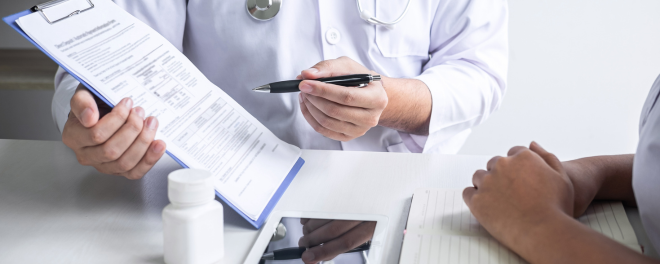
Your consultation begins with a detailed discussion of your symptoms, menstrual patterns, medical history, and lifestyle factors.
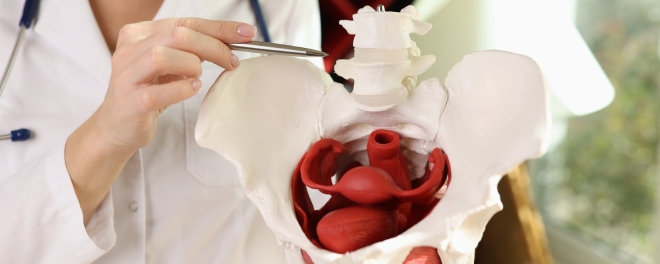
A pelvic examination may be performed to assess for anatomical changes or signs of underlying conditions.

Our doctor may recommend:
• Pelvic ultrasound scan to evaluate the uterus and ovaries for fibroids, cysts, or other abnormalities
• Blood tests to assess hormone levels, thyroid function, and check for anaemia
• Pregnancy test, where relevant
• PAP smear and/or HPV test for cervical screening
• Endometrial sampling if prolonged bleeding or high-risk factors are present
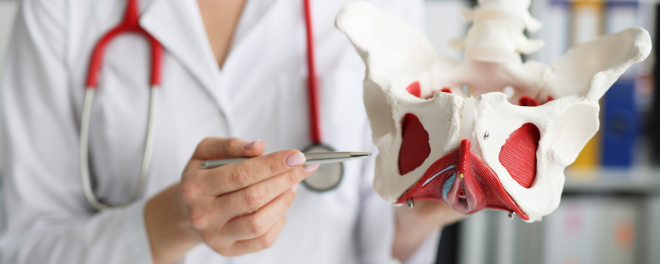
Based on your diagnosis and goals, treatment may include:
• Hormonal therapy such as oral contraceptives, progesterone, or hormonal IUDs to regulate or reduce bleeding
• Non-hormonal therapy including anti-fibrinolytics (e.g. tranexamic acid) or NSAIDs for cramping and bleeding control
• Iron supplementation to treat or prevent anaemia from blood loss
• Antibiotics if an infection is diagnosed
• Minor procedures such as polyp or fibroid removal, endometrial biopsy, or curettage
• Specialist referral to gynaecology where further surgical or advanced care is required
Your doctor will monitor your response to treatment, review test results, and adjust the care plan as needed to support your reproductive and lifestyle needs.
All consultations and treatments for heavy or prolonged periods at Asimont Clinic are provided by trained women’s health professionals in a confidential and supportive setting. Care is guided by PHMC guidelines and MOH professional standards, and delivered by doctors registered with the Singapore Medical Council. Accredited under the SMC APOC framework, our team ensures ethical, safe, and evidence-based care, helping you find clarity, comfort, and long-term relief.
Yes. Stress, sleep disruption, travel, or extreme weight change can all influence hormonal balance.
Most fibroids are benign but may cause heavy bleeding, pain, or fertility issues. Monitoring or removal may be advised.
Yes. Hormonal contraception can regulate bleeding and reduce volume in many cases.
Most treatments are reversible and tailored based on your fertility goals. Let your doctor know your plans.
Not necessarily. Many women respond well to medications or minor in-clinic procedures.
Hormonal changes during perimenopause can cause heavy, erratic bleeding. Management is still possible with appropriate evaluation.