
Introduction
Reaching the other side of menopause is a significant milestone. For many women, the end of menstrual cycles and the roller-coaster of the transition brings a sense of freedom and stability. It is the beginning of a “second act”—a time often dedicated to personal growth, family, and enjoying the fruits of your labor.
However, this new chapter comes with a new biological reality. The permanent drop in estrogen levels does more than just stop your periods; it fundamentally changes how your body maintains its bones, protects its heart, and processes energy. Managing these changes is a vital part of your broader women’s health strategy. To thrive in this stage, your care needs to evolve from reproductive health to longevity.
A comprehensive menopause wellness checks Singapore plan focuses on detecting the “silent” risks that rise after estrogen declines. This primarily includes a DEXA scan for bone density (osteoporosis), advanced cardiovascular screening for heart disease (lipid panels and blood pressure), and metabolic checks for insulin resistance, alongside standard cancer screenings.
Ignoring these checks can lead to preventable issues down the road. Let’s explore the essential screenings that will help you build a strong foundation for the decades ahead.
Table of Contents
- The “New Normal”: Why Health Priorities Shift After Menopause
- Priority 1: Protecting Your Bones (The Silent Risk)
- Priority 2: Guarding Your Heart (The Number One Killer)
- Priority 3: Metabolic and Weight Wellness
- The “Wellness” Checks You Might Overlook
- Creating a “Longevity Plan” with Your Clinic
- Common Questions About Post-Menopause Health
- Conclusion: Embracing Your Second Act with Confidence
The “New Normal”: Why Health Priorities Shift After Menopause
To understand why you need specific checks, you first need to understand the role estrogen played in your body for the last 30-40 years. It was more than just a reproductive hormone; it was a systemic protector.
The Loss of Estrogen’s Protective Shield
Estrogen acted as a guardian for several key systems:
- For Bones: It inhibited the cells that break down bone tissue.
- For the Heart: It helped keep blood vessels flexible and maintained a healthy balance of cholesterol.
- For Metabolism: It helped regulate how your body stores fat and responds to insulin.
When you enter post-menopause, this natural shield is removed. The aging process accelerates in these specific areas, often silently.
Moving From “Reproductive Health” to “Longevity Health”
In your 20s and 30s, your visits to a women’s clinic likely focused on contraception, fertility, or pregnancy. Now, the focus shifts to maintenance and prevention. The goal is to detect subtle changes—like a slight rise in blood pressure or a minor drop in bone density—and correct them before they become medical emergencies.
Priority 1: Protecting Your Bones (The Silent Risk)
Osteoporosis is perhaps the most direct consequence of menopause. In Singapore, hip fracture rates have increased, particularly among women over 50.
The Menopause-Osteoporosis Link
In the first five to seven years after menopause, a woman can lose up to 20% of her bone density. This rapid decline happens because the “bone-building” cells can no longer keep up with the “bone-breaking” cells without estrogen’s help. The result is bones that are porous and brittle.
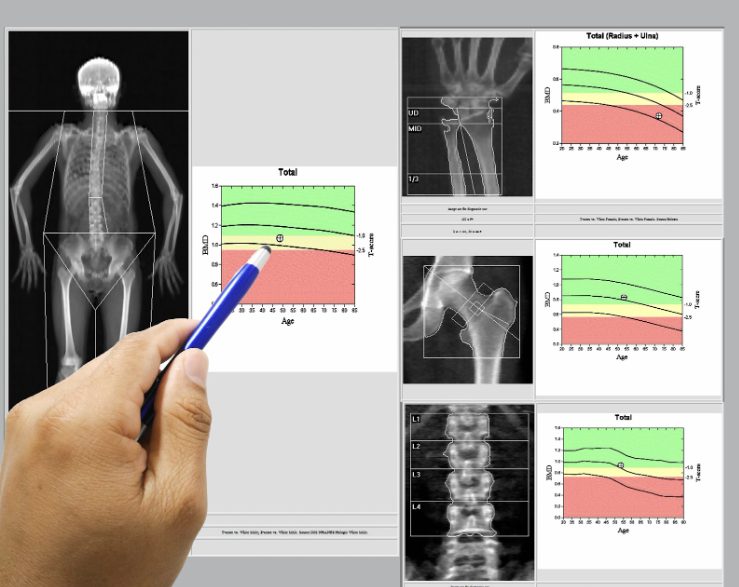
The Gold Standard Check: DEXA Bone Density Scan
You cannot feel your bones getting thinner. That is why screening is vital. The only accurate way to diagnose osteoporosis is a Dual-Energy X-ray Absorptiometry (DEXA) scan.
Who Needs It and When?
In Singapore, it is generally recommended to have a baseline scan around age 65, or sooner (at the onset of menopause) if you have risk factors like:
- A family history of hip fractures.
- Low body weight (BMI under 19).
- A history of smoking or heavy alcohol use.
- Previous use of steroids (like prednisolone).
Understanding Your T-Score
The scan gives you a “T-score,” which compares your bone density to that of a healthy young adult.
- -1.0 and above: Normal.
- -1.0 to -2.5: Osteopenia (Low bone mass—a warning zone).
- -2.5 and below: Osteoporosis.
Practical Steps for Bone Strength in Singapore
If your check shows Osteopenia, you can often reverse or halt it with lifestyle changes:
- Weight-bearing exercise: Walking, dancing, or strength training.
- Vitamin D: Getting safe sun exposure or taking supplements (many Singaporean women are surprisingly deficient despite our tropical climate).
- Calcium: Ensuring you get 1,000-1,200mg daily.
Priority 2: Guarding Your Heart (The Number One Killer)
Cardiovascular disease remains the number one killer of women in Singapore, claiming more lives than breast cancer. Yet, many women still consider it a “man’s disease.”
Why Heart Disease Risk Spikes Post-Menopause
Estrogen helps keep your “bad” LDL cholesterol down and your “good” HDL cholesterol up. After menopause, this balance often flips.
The Cholesterol Shift
You may find that your cholesterol levels rise, even if your diet hasn’t changed. This is a biological effect of hormonal changes, not necessarily a lifestyle failure.
The Blood Pressure Creep
Similarly, blood vessels become slightly stiffer without estrogen, leading to a gradual rise in blood pressure. This hypertension puts strain on the heart and increases stroke risk.
Essential Cardiovascular Wellness Checks
A standard BP check is just the start. A thorough menopause wellness check should include:
- Advanced Lipid Profiling: Looking beyond just “Total Cholesterol” to the ratio of HDL to LDL and triglycerides.
- Cardiac Calcium Score (CT Scan): For women with intermediate risk, this non-invasive scan checks for calcified plaque in the coronary arteries. It can predict heart attack risk years before it happens.
Priority 3: Metabolic and Weight Wellness
“I haven’t changed what I eat, but I’m gaining weight.” This is the most common frustration we hear.
Fighting the “Meno-Belly” and Insulin Resistance
Post-menopausal weight gain tends to settle around the abdomen (visceral fat). This deep belly fat is metabolically active and increases the risk of Type 2 Diabetes. This happens because muscle mass naturally decreases with age, slowing your metabolism, while insulin sensitivity drops.
Screening for Diabetes and Metabolic Syndrome
Your wellness check should include:
- Fasting Blood Glucose: A snapshot of your sugar levels.
- HbA1c: A 3-month average of your blood sugar, which is a better indicator of pre-diabetes.
- Waist Circumference Measurement: A simple but powerful indicator of metabolic risk.
The “Wellness” Checks You Might Overlook
A great clinic looks at the whole woman, not just her test results.
1. Genitourinary Health (Pelvic Floor & Dryness)
While Topic 7 discussed the symptoms of dryness, the long-term check here focuses on functional health. A pelvic exam can identify asymptomatic atrophy or early-stage prolapse before it affects your bladder function.
2. Mental and Emotional Well-being
The transition out of menopause can sometimes bring a “crash” in mood or increased anxiety. Screening for mental wellness is just as important as checking your blood pressure.
3. Colorectal Screening (The Age 50 Milestone)
While not unique to women, the risk of colorectal cancer rises sharply after 50.
- FIT Kit: A simple annual stool test.
- Colonoscopy: The gold standard, recommended every 10 years starting at age 50. It can remove pre-cancerous polyps during the screening itself.

Creating a “Longevity Plan” with Your Clinic
The Difference Between a “Package” and a “Strategy”
You can walk into many labs and buy a generic “Silver Screening Package.” But a menopause wellness checks Singapore strategy is different. It is a conversation.
It involves looking at your T-score from your bone scan, your cholesterol ratio, and your family history, and putting them together. If you have osteopenia and a high fall risk, your plan might focus heavily on balance training and Vitamin D. If you have high cholesterol and high blood pressure, the focus shifts to aggressive heart protection.
How Often Should You Be Screened?
- Annually: Blood pressure, weight/waist, pelvic exam.
- Every 2 Years: Mammogram (for ages 50-69).
- Every 3 Years: Pap smear/HPV test (until age 65) and Blood Glucose/Lipids (unless abnormal).
- Every 2-5 Years: Bone Density Scan (depending on your initial T-score).
Common Questions About Post-Menopause Health
1. Do I still need a Pap smear after menopause?
Yes. Current guidelines suggest women should continue cervical cancer screening until age 65. If you have had consecutive normal results for years, your doctor may advise you can stop after 65.
2. Can I rebuild bone density once it is lost?
It is difficult to fully “rebuild” bone density to youthful levels, but you can significantly slow the loss and even improve density slightly with medication (bisphosphonates) and consistent resistance exercise. The primary goal is preventing fractures.
3. Are supplements necessary for post-menopausal women?
For most women in Singapore, Vitamin D and Calcium are the non-negotiables, as diet alone rarely provides enough. Others, like Omega-3 (for heart health) or Magnesium (for sleep), can be helpful but should be discussed with your doctor to avoid interactions.
Conclusion: Embracing Your Second Act with Confidence
Life after menopause is not about “decline.” It is about adaptation. By understanding the changes in your body and staying ahead of them with the right menopause wellness checks, you are giving yourself the best gift: freedom.
Freedom from the fear of a silent fracture. Freedom from the worry of undiagnosed heart issues. And the freedom to live your second act with energy, strength, and vitality.