
Introduction
In the midst of a busy life, it is easy to put your own health on the back burner. Many women are excellent at managing the health of their partners, children, and even aging parents, but their own check-ups get postponed. A health screening is not just another appointment; it is a powerful tool. It provides a clear, objective snapshot of your health right now and helps catch potential issues when they are at their most treatable.
A dedicated women’s health screening in Singapore is different from a general check-up. It focuses on the specific risks and conditions that affect women at different stages of life, from cervical health to bone density. It is a cornerstone of your total women’s health plan.
A women’s health screening in Singapore is a set of preventive tests tailored to a woman’s age and risk factors. Key tests include a Pap smear and/or HPV test for cervical cancer, a mammogram for breast cancer, and a bone density scan for osteoporosis, in addition to baseline checks for blood pressure, cholesterol, and blood sugar.
This guide will walk you through which tests are recommended, when you should start them, and why they are so important.
Table of Contents
- The Purpose of a Health Screening: Prevention vs. Diagnosis
- The “Core 3” Tests: What Every Woman Needs (At All Ages)
- Your Age-by-Age Guide to Women’s Health Screenings
- A Deeper Look at Key Women’s Screenings
- “Packages” vs. “Personalised Plans”: How to Choose
- Common Questions About Health Screenings
- Conclusion: Screening Is an Act of Self-Care
The Purpose of a Health Screening: Prevention vs. Diagnosis
It is helpful to understand the philosophy behind screenings. A diagnostic test is what you get when you have a symptom (like a lump or pain) to find out the cause. A screening test is what you get when you feel perfectly fine.
Beyond a General Check-Up
A general check-up might involve a doctor listening to your heart and lungs and asking how you feel. A women’s health screening is a data-driven process. It uses specific, evidence-based tests to look for early, silent signs of disease. For many of the most serious women’s health issues, such as cervical cancer or osteoporosis, the early stages have no symptoms at all.
Why Preventive Screening Is a Woman’s Best Tool
Preventive care is about finding a problem before it becomes a problem.
- Cervical Cancer: A Pap smear can find abnormal cells before they turn into cancer.
- Breast Cancer: A mammogram can detect a tumour when it is too small to be felt.
- Osteoporosis: A bone density scan can identify weak bones before you have a dangerous fall or fracture.
In all these cases, catching the issue early leads to simpler, more effective treatment and far better outcomes.
The “Core 3” Tests: What Every Woman Needs (At All Ages)
Before we get to the women’s-only tests, there is a baseline of health screening that is important for everyone, including women, starting from age 18-20.
1. Blood Pressure Monitoring High blood pressure (hypertension)
This is the “silent killer” because it has no symptoms. It is a major risk factor for heart attack and stroke. You should have it checked at least once every 1-2 years.
2. Blood Glucose (For Diabetes)
A fasting blood sugar test checks for pre-diabetes and diabetes. This is particularly important if you have risk factors like a family history of diabetes or if you have had gestational diabetes during pregnancy.
3. Cholesterol / Lipid Panel
This blood test measures your “good” (HDL) and “bad” (LDL) cholesterol, as well as triglycerides. High cholesterol is another key risk factor for heart disease.
Your Age-by-Age Guide to Women’s Health Screenings
This is where your health plan becomes more personal. Your screening needs change as you move through different decades of life. The following guidelines are based on recommendations for the general population in Singapore.
In Your 20s and 30s: The Foundational Years
This stage is all about establishing foundational health and preventing infections.
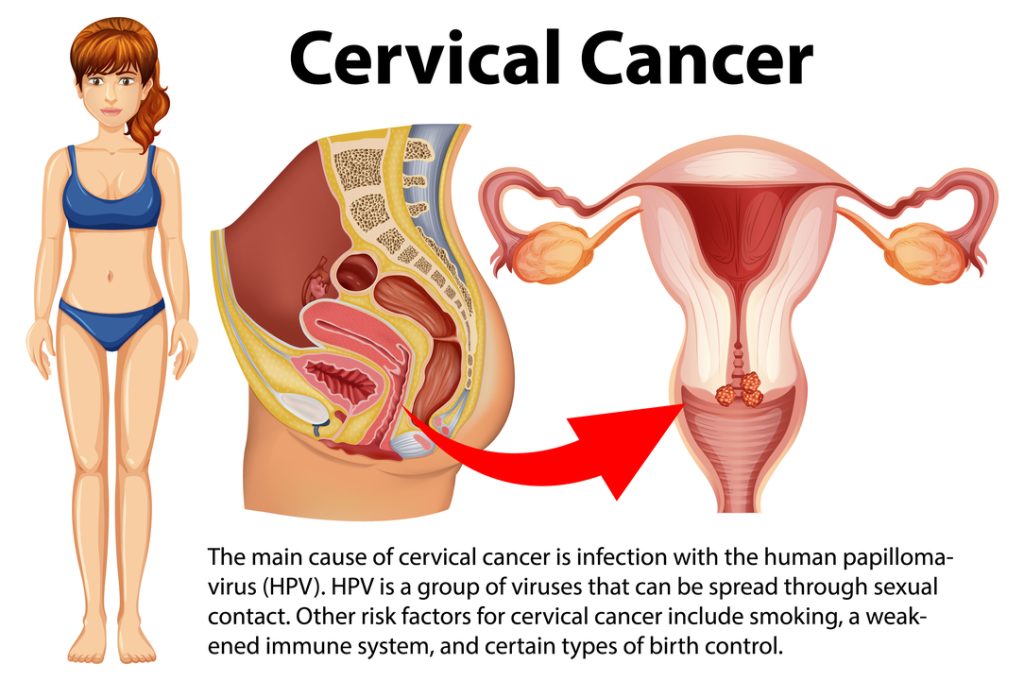
- Cervical Cancer Screening (Pap Smear & HPV Test) This is the most important screening to start in your 20s. The Singapore Cancer Society recommends that women who have ever been sexually active should start cervical screening at age 25
- Ages 25-29: A Pap smear is typically recommended every 3 years.
- Ages 30+: The recommendation shifts to an HPV test (or a Pap smear + HPV test) every 5 years.
- Sexually Transmitted Infection (STI) Screening If you are sexually active and not in a long-term, mutually monogamous relationship, regular STI screening is a key part of your reproductive health.
In Your 40s: The Preventive Decade
This is when the focus of screening shifts to include conditions that become more common in midlife.
- Mammogram (Breast Cancer Screening) This is the big one that starts in your 40s. A mammogram is a low-dose X-ray of the breast used to detect breast cancer.
- Ages 40-49: HealthHub Singapore suggests women in this age group can choose to start their annual mammogram after discussing the benefits and risks with their doctor
- Ages 50+: The recommendation becomes clearer: a mammogram every 2 years.
- Continued Cervical Screening You should continue your Pap/HPV screening every 5 years, as recommended.
- Baseline Chronic Disease Checks This is a good decade to be more vigilant with your “Core 3” tests (blood pressure, glucose, cholesterol), checking them more regularly.
In Your 50s and Beyond: The Menopause Transition
After menopause, the drop in estrogen introduces new health risks, particularly for your bones and heart.
- Bone Density Scan (DEXA) for Osteoporosis Osteoporosis is a condition where bones become weak and brittle. It is very common in post-menopausal women. A DEXA scan is a simple, painless X-ray that measures your bone mineral density. It is generally recommended to get a baseline scan around the time of menopause.
- Colorectal Cancer Screening This is not just for women, but it is a critical screening that starts at age 50. This is done with a stool-based test (FIT kit) every year or a colonoscopy every 10 years.
A Deeper Look at Key Women’s Screenings
These three tests form the core of a women’s-only screening plan, but they are often misunderstood.
Pap Smear vs. HPV Test: What’s the Difference?
This can be confusing, so let’s simplify it. They are both tests for cervical cancer, but they look for different things.
- A Pap smear (or Pap test) scrapes cells from the cervix to look for abnormal or pre-cancerous cells.
- An HPV test checks the cells for the presence of the Human Papillomavirus, the virus that causes almost all cervical cancers.
Today, the HPV test is considered the primary and more effective screening.
The Mammogram: What It Is and What to Expect
A mammogram involves compressing the breast between two plates for a few seconds to get a clear X-ray image. It can be uncomfortable, but it is not dangerous. That brief discomfort is the most effective tool we have for finding breast cancer early.
The DEXA Scan: Why Bone Health Matters Post-Menopause
You cannot feel your bones getting weaker. A person’s first sign of osteoporosis is often a devastating fracture. The DEXA scan is the only way to know your risk before a fracture happens. It gives your doctor a score (T-score) that clearly shows if your bone density is normal, low (osteopenia), or at the level of osteoporosis.
“Packages” vs. “Personalised Plans”: How to Choose
You will see many clinics offering a “Women’s Wellness Package” that includes dozens of tests. This can be overwhelming.
The Problem with “One-Size-Fits-All” Packages These packages often include tests you may not need, while missing ones you do. For example, a “package” for a 28-year-old might include an irrelevant bone density scan but miss the STI screening she should actually be getting.
Why You Should Build a Plan with Your Doctor A “package” is a product. A “plan” is a medical service. The best approach is to start with a consultation. Sit down with a doctor at a women’s health clinic. They will discuss your:
- Age
- Personal medical history
- Family history (e.g., did your mother have breast cancer?)
- Lifestyle (e.g., smoking, sexual activity)
Based on this, they will build a personalised screening plan for you. This is far more effective and often more cost-efficient than buying a generic package.
Common Questions About Health Screenings
1. How often do I really need a “full” check-up?
This depends on your age and health. If you are a healthy adult under 40, your “Core 3” (BP, glucose, cholesterol) may only need checking every 2-3 years. Your specific women’s tests (like the Pap smear) have their own schedules. After 40, an annual check-in with your doctor is a good idea to review your needs.
2. Are these tests claimable through MediSave?
Yes, for certain tests and Singaporean citizens/PRs. Under the national screening programmes, MediSave can be used for selected screenings like mammograms (for women aged 50+) and cervical cancer screening. The rules and claimable amounts can change, so it is best to check with your clinic or the MOH guidelines.
Conclusion: Screening Is an Act of Self-Care
A women’s health screening is not a luxury; it is a fundamental part of your long-term health. It is a proactive choice you make, not just for yourself, but for the people who love and depend on you.
Instead of guessing or worrying, the best first step is to have a conversation. Talk to a doctor, review your personal risk, and build a screening schedule that makes sense for you. It is the most important appointment you can make.