Introduction
Dealing with health uncertainty can be stressful. You might be experiencing irregular periods, unusually heavy bleeding, persistent acne, or difficulty getting pregnant. In your search for answers, two terms come up again and again: PCOS and fibroids. This can be confusing. Do you have one? The other? Both? And the biggest question: what does this mean for your future fertility?
These are two of the most common issues a PCOS Singapore women’s health clinic sees. While they are often mentioned together, they are two completely different conditions. Understanding the difference is the first and most powerful step toward getting the right help. Both are key parts of your overall women’s health and both are highly manageable.
PCOS (Polycystic Ovary Syndrome) is a hormonal, metabolic condition that primarily affects fertility by causing irregular or absent ovulation. Fibroids are non-cancerous structural growths in the uterine muscle that may affect fertility, but only if their size and location interfere with the uterine lining or fallopian tubes. A clinic can accurately diagnose both and create a tailored plan.
Let’s unpack these two conditions, one by one, to clear up the confusion and map out the paths to treatment.
Table of Contents
- The Core Confusion: Are PCOS and Fibroids the Same?
- Path 1: Understanding Polycystic Ovary Syndrome (PCOS)
- Path 2: Understanding Uterine Fibroids
- Can You Have Both PCOS and Fibroids?
- Why a Specialist Clinic Is Your Best Partner
- Clearing Up Common Concerns
- Conclusion: Moving from Confusion to Clarity
The Core Confusion: Are PCOS and Fibroids the Same?
No, they are not. This is the most important takeaway. They have different causes, different symptoms, and different impacts on the body.
A Problem of “Process” vs. “Place”
Here is a simple way to think about it:
- PCOS is a process problem. It is a complex hormonal and metabolic syndrome that affects your body’s systems, especially how your ovaries function.
- Fibroids are a place problem. They are structural, non-cancerous growths (tumors) made of muscle and fibrous tissue that grow in or on the wall of the uterus.
You can see why they are confused. Both can cause period problems and both can be related to fertility challenges. But the “why” is completely different.
PCOS: A Hormonal & Metabolic Condition
PCOS (Polycystic Ovary Syndrome) is a syndrome, which means it is a collection of symptoms. It is linked to hormonal imbalances, specifically an excess of androgens (like testosterone), and often, insulin resistance. This hormonal imbalance disrupts the normal function of the ovaries.
Fibroids: A Structural (Muscle) Condition
Uterine fibroids (also called leiomyomas or myomas) are physical growths. They are not hormonal conditions, but their growth can be stimulated by hormones like estrogen. They can be as small as a seed or larger than a grapefruit. They do not mean you have cancer.
Path 1: Understanding Polycystic Ovary Syndrome (PCOS)
Let’s walk down the first path. When you visit a PCOS Singapore women’s health clinic, the doctor will investigate this as a systemic, body-wide condition.
How a Clinic Diagnoses PCOS
There is no single “PCOS test.” A doctor will make a diagnosis based on a set of criteria. You typically need to have two out of these three:
Symptom 1: Irregular or Absent Ovulation (and Periods)
This is the hallmark sign. Ovulation is the release of an egg. If your hormones are imbalanced, this process does not happen regularly. This results in irregular periods (fewer than 8-9 a year), very long cycles, or no periods at all.
Symptom 2: High Androgens (Hormones)
This can be confirmed with a blood test. But, more often, it is diagnosed by its physical symptoms:
- Persistent acne (especially jawline acne)
- Hirsutism (unwanted, coarse hair growth on the face, chest, or back)
- Male-pattern hair thinning on the scalp
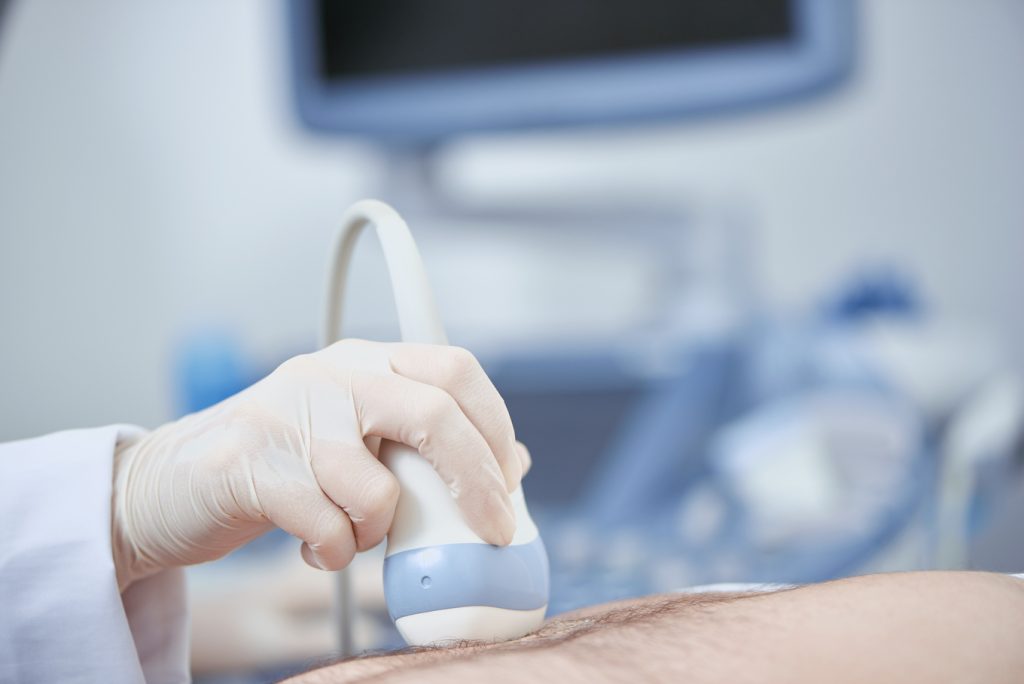
Symptom 3: Polycystic Ovaries on Ultrasound
An ultrasound can reveal that the ovaries are enlarged and contain many small follicles (often called “cysts,” but they are actually immature egg-follicles). This “string of pearls” appearance is a sign, but it is not enough for a diagnosis on its own.
The PCOS Link to Fertility
The connection here is very direct. If you do not ovulate, you cannot get pregnant.
PCOS affects fertility primarily by making ovulation irregular or stopping it altogether. The good news? This is one of the most treatable forms of infertility. The eggs are there, but they just need help to mature and be released.
Treatment for PCOS in a Clinic Setting
Treatment for PCOS is all about managing symptoms and achieving your goals (e.g., regulating periods, clearing skin, or getting pregnant).
Lifestyle Management
For many women with PCOS, especially those who are overweight, this is the first and most effective treatment. Insulin resistance is a common driver of PCOS. As a result, even a 5-10% loss in body weight can be enough to restore regular ovulation. A clinic will guide you on diet, exercise, and managing insulin levels.
Medical and Fertility Treatment (Ovulation Induction)
If lifestyle changes are not enough, a doctor can help:
- For managing symptoms: Birth control pills can be used to regulate periods and reduce androgen symptoms.
- For fertility: This is the key. A specialist will use medication (like Clomiphene or Letrozole) to “induce ovulation.” This simple, oral medication encourages your ovaries to mature and release an egg, allowing you to time intercourse or IUI (intrauterine insemination).
Path 2: Understanding Uterine Fibroids
Now let’s walk down the second path. If your doctor suspects fibroids, the investigation and treatment plan are completely different.
How a Clinic Diagnoses Fibroids
The diagnostic process for fibroids is much more straightforward. It is usually based on symptoms and confirmed with imaging.
Symptoms: Heavy Bleeding, Pain, and Pressure
The classic symptom of fibroids is heavy menstrual bleeding (menorrhagia). This can mean soaking through a pad or tampon every hour, passing large clots, or having periods that last longer than 7 days.
Other symptoms depend on the fibroid’s size and location:
- Pelvic pain or a feeling of “fullness” or pressure in the lower abdomen
- Frequent urination (if a fibroid is pressing on the bladder)
- Pain during intercourse
Diagnosis: The Role of Ultrasound Imaging
An ultrasound is the gold standard for diagnosing fibroids. A simple pelvic or transvaginal ultrasound allows a doctor to see, measure, and, most importantly, map the location of every fibroid in your uterus.
The Fibroid Link to Fertility (It’s All About Location)
This is the biggest misconception. Most fibroids do not affect fertility at all.
Unlike PCOS, which has a direct functional impact, a fibroid’s impact is structural. It only becomes a problem if its size or location gets in the way.
When Fibroids Can Be a Problem
- Submucosal Fibroids: These are the most problematic for fertility. They grow inside the uterine cavity. They can prevent an embryo from implanting or increase the risk of miscarriage.
- Large Intramural Fibroids: If a fibroid growing within the uterine wall is very large, it can distort the shape of the cavity, also affecting implantation.
- Location: A fibroid that blocks the opening of a fallopian tube can prevent sperm from reaching the egg.
When Fibroids Are Not a Concern
Most fibroids are “subserosal” (growing on the outside of the uterus) or “intramural” (small ones in the wall). These typically have zero impact on your ability to conceive.
Treatment for Fibroids in a Clinic Setting
The treatment for fibroids depends entirely on your symptoms and your fertility goals.
Watchful Waiting and Medication
If you have fibroids but no symptoms, or your symptoms are mild, the best treatment is often no treatment. This is called “watchful waiting.” Your doctor will simply monitor them. If you have heavy bleeding, a doctor may prescribe medication (like tranexamic acid or birth control) to manage that symptom.
Surgical Options (Myomectomy) for Fertility
If you are trying to get pregnant and a fibroid is diagnosed as the problem (e.g., a submucosal fibroid), the treatment is surgical. A myomectomy is a procedure to remove the fibroids while leaving the uterus intact. This is often done hysteroscopically (through the vagina) or laparoscopically (keyhole surgery), allowing for a quick recovery.

Can You Have Both PCOS and Fibroids?
Yes, it is possible. The two conditions are not related, so you can just be unlucky and have both.
Managing Both Conditions Simultaneously
This is where a specialist clinic is so important. Your doctor will have to create a plan that addresses both issues. For example, they might first recommend a myomectomy to remove a problematic fibroid that is blocking the uterine cavity. Then, after you have healed, they may start you on ovulation induction medication (like Letrozole) to manage the PCOS and ensure you ovulate.
Why a Specialist Clinic Is Your Best Partner
Trying to navigate this on your own is confusing. A specialist PCOS Singapore women’s health clinic provides two things you cannot get from Google: diagnosis and a plan.
The Power of an Accurate Diagnosis
The most important step is finding out what is actually going on. Is your irregular period from PCOS, or is it a fibroid? Is your fertility issue from a lack of ovulation, or a structural blockage? A clinic uses a combination of blood tests, expert-led history taking, and advanced ultrasound to give you a definitive answer.
A Central Hub for All Treatment Options
The right clinic does not just have one solution. It is a central hub for your entire plan. This includes:
- Lifestyle & dietary guidance for PCOS
- Medical management for symptoms
- Ovulation induction for fertility
- Advanced diagnostics and imaging
- Surgical intervention like myomectomy if needed
Clearing Up Common Concerns
1. Will losing weight cure my PCOS?
PCOS is a chronic condition, so it cannot be “cured.” But, for women who are overweight, losing 5-10% of their body weight is often the single most effective way to manage symptoms. It can improve insulin sensitivity so well that it can restore regular ovulation and periods on its own, which may be all you need to conceive.
2. Does having a fibroid mean I need surgery?
Absolutely not. This is a huge myth. Most fibroids are left alone. Surgery is only recommended if your fibroids are causing severe symptoms (like extreme bleeding) or if they are in a specific location that is directly interfering with fertility.
3. Can I get pregnant naturally with PCOS or fibroids?
Yes. Many women with mild PCOS still ovulate occasionally and conceive naturally. And, as discussed, most fibroids have no impact on fertility at all. If you are under 35, doctors often recommend trying for a year before seeking intervention.
Conclusion: Moving from Confusion to Clarity
PCOS and fibroids are not mysterious, dead-end diagnoses. They are very common, very different, and very manageable conditions.
PCOS is a hormonal process that requires management. Fibroids are structural issues that may or mayl not require intervention. A specialised women’s health clinic is your partner in this. They can move you from a place of confusion and anxiety to one of clarity. They can provide an accurate diagnosis, explain what it means for you, and lay out a clear, step-by-step plan to manage your symptoms and support your fertility goals.